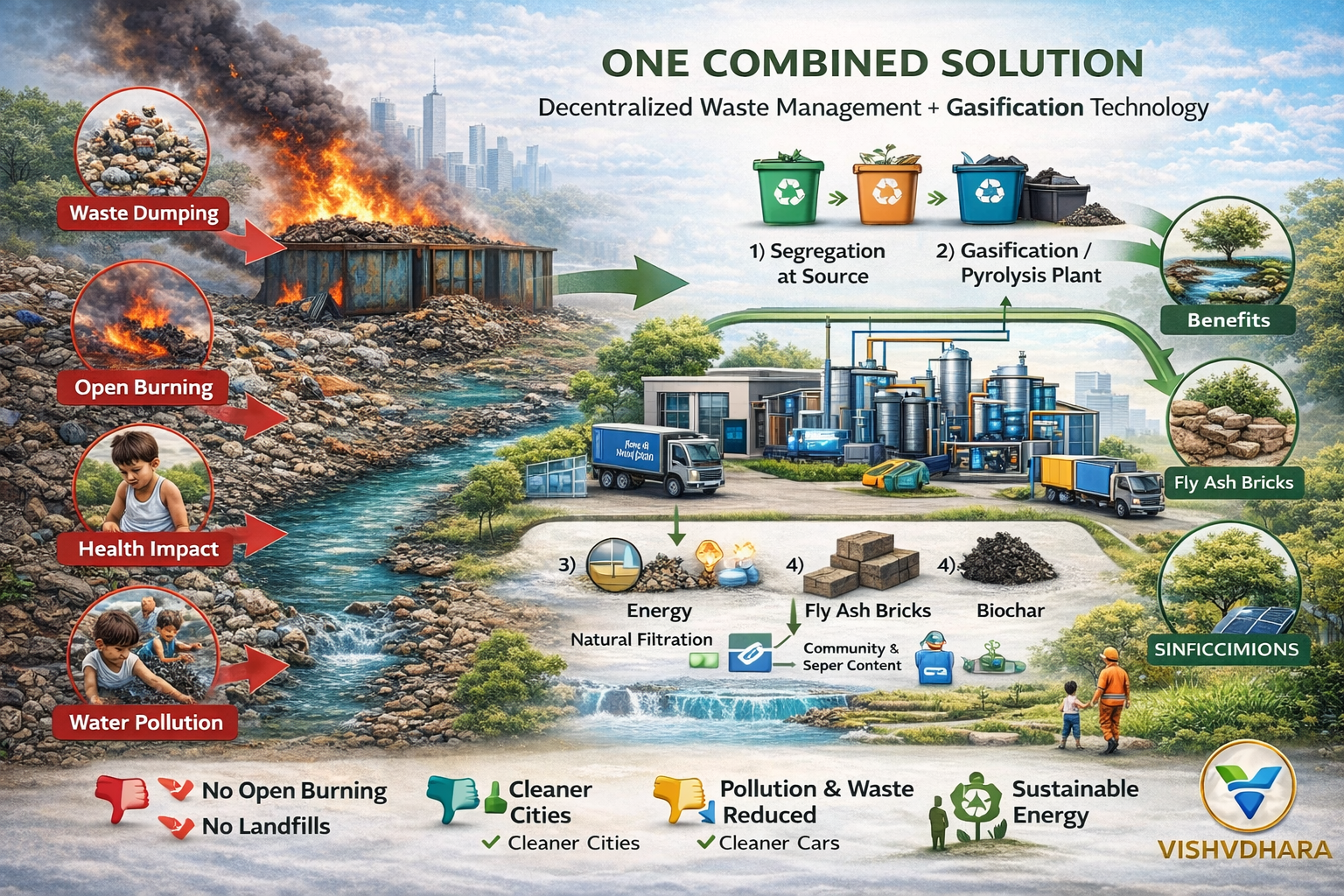
Problems of Today
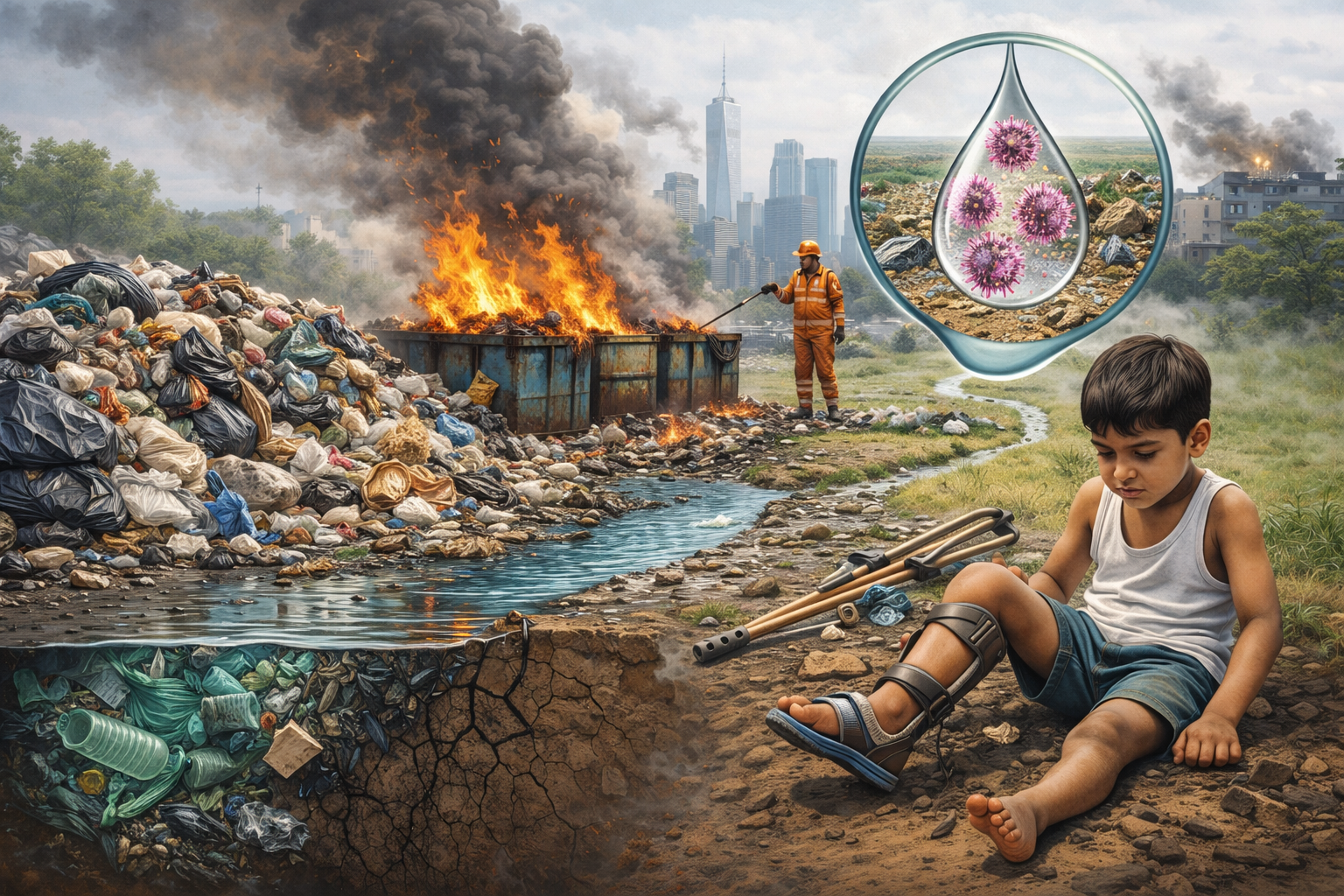
Poor waste management has become a major and growing problem in both cities and villages, affecting the environment, public health, and quality of life. Improper and irregular waste collection results in dirty surroundings, unpleasant odors, and unhygienic living conditions. In many areas, roadside garbage bins are not cleared regularly, causing them to overflow and spread waste on streets and public places. This scattered garbage attracts animals, insects, and rodents, which further increases the risk of diseases. Large dumping yards are expanding rapidly due to the increasing amount of waste, leading to land degradation and long-term environmental damage. The decomposition of waste releases foul smells and harmful gases, while the burning of garbage produces toxic smoke, contributing significantly to air pollution and making the air unsafe to breathe. These polluted conditions cause serious public health issues such as respiratory diseases, infections, skin problems, and allergies, especially among children, elderly people, and those with weak immunity. During the rainy season, waste mixes with rainwater and seeps into the ground, contaminating groundwater, rivers, and nearby water sources, which affects drinking water quality and aquatic life.
Moreover, the lack of proper waste segregation into wet, dry, and recyclable waste reduces recycling efficiency and increases the burden on landfills. Plastic waste, in particular, takes many years to decompose and causes severe harm to wildlife and the environment. Due to poor awareness and irresponsible disposal practices, waste continues to increase every day. Therefore, effective waste management systems, regular waste collection, proper segregation, recycling, and active public participation are essential to control pollution, protect public health, and ensure a clean, safe, and sustainable environment for future generations.
Major Environmental Problems in Waste Management
Improper Waste Collection
Unorganized waste pickup causes dirty surroundings and odor.
Overflowing Dump Bins
Roadside bins overflow, spreading litter and attracting animals.
Massive Dumping Yards
Dumping grounds are rapidly expanding, harming the environment.
Air Pollution
Smell and smoke from unmanaged waste affect daily life.
Public Health Issues
Poor disposal increases infections and breathing problems.
Water Contamination
Garbage mixes with rainwater and pollutes groundwater.
Air Toxicity
Burning waste releases harmful gases.
Lack of Segregation
Poor segregation increases pollution and reduces recycling.